


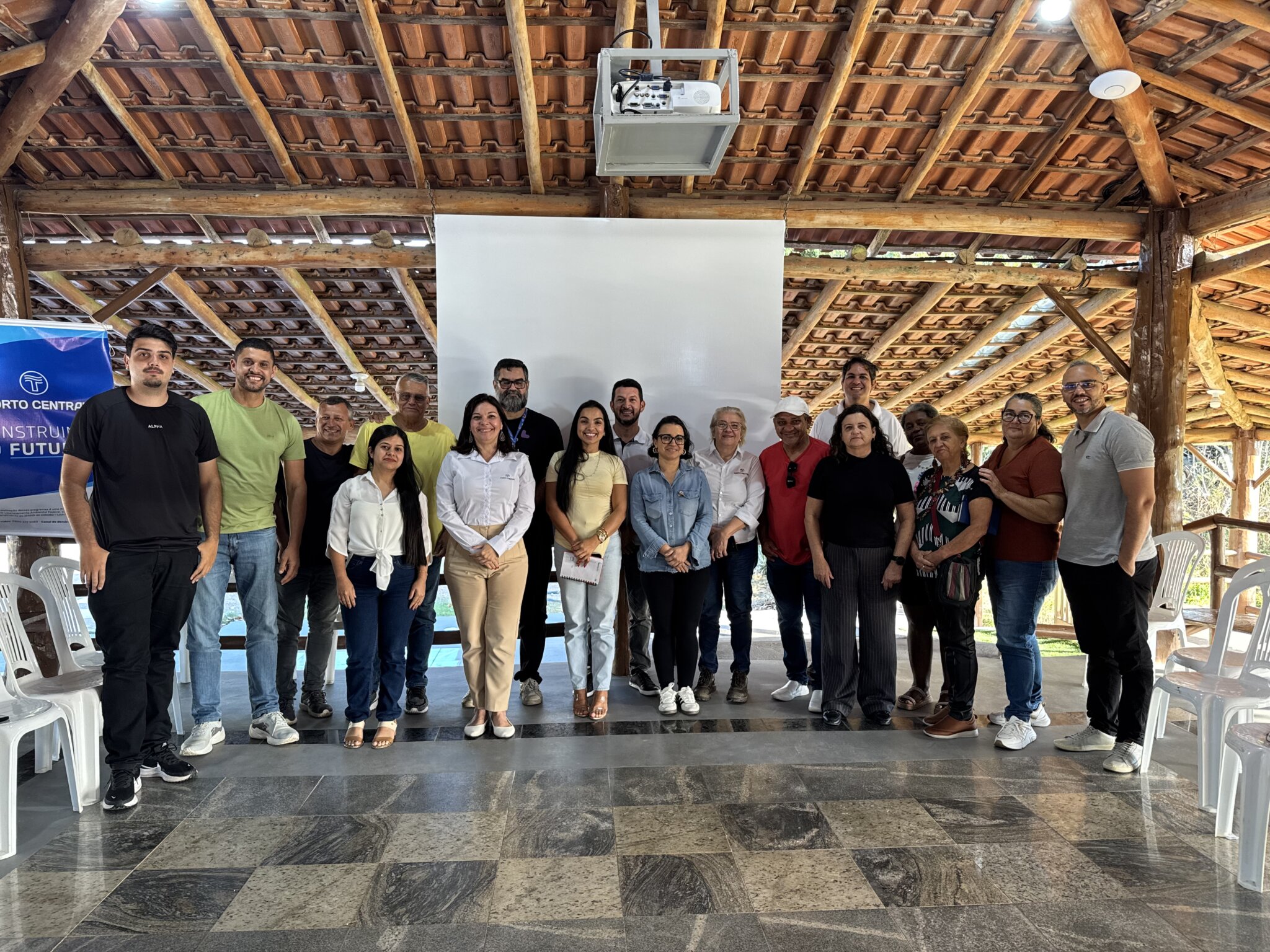
Representatives from the municipalities within Porto Central’s Direct Area of Influence (AID) participated this Thursday (6) in a meeting of Working Group 5 (WG 5) of the Socioeconomic Monitoring Program Follow-up Committee (CAMPOC). The meeting was held at Porto Central’s headquarters in Presidente Kennedy and focused on developing indicators related to tourism in the region.
What is CAMPOC?
CAMPOC is one of Porto Central’s Social Participation Forums and serves as a permanent space for dialogue and for monitoring socioeconomic changes in the municipalities within the project’s area of influence. The Committee brings together representatives from government, institutions and organized civil society, broadening the participation of different sectors in understanding and monitoring regional dynamics.
Organized into thematic working groups, CAMPOC enables more in-depth discussions on different aspects of the territory. WG 5 addresses topics related to tourism, the environment, culture and fishing, taking into account activities and characteristics that are relevant to the municipalities in the region.
Collaborative Development of Indicators
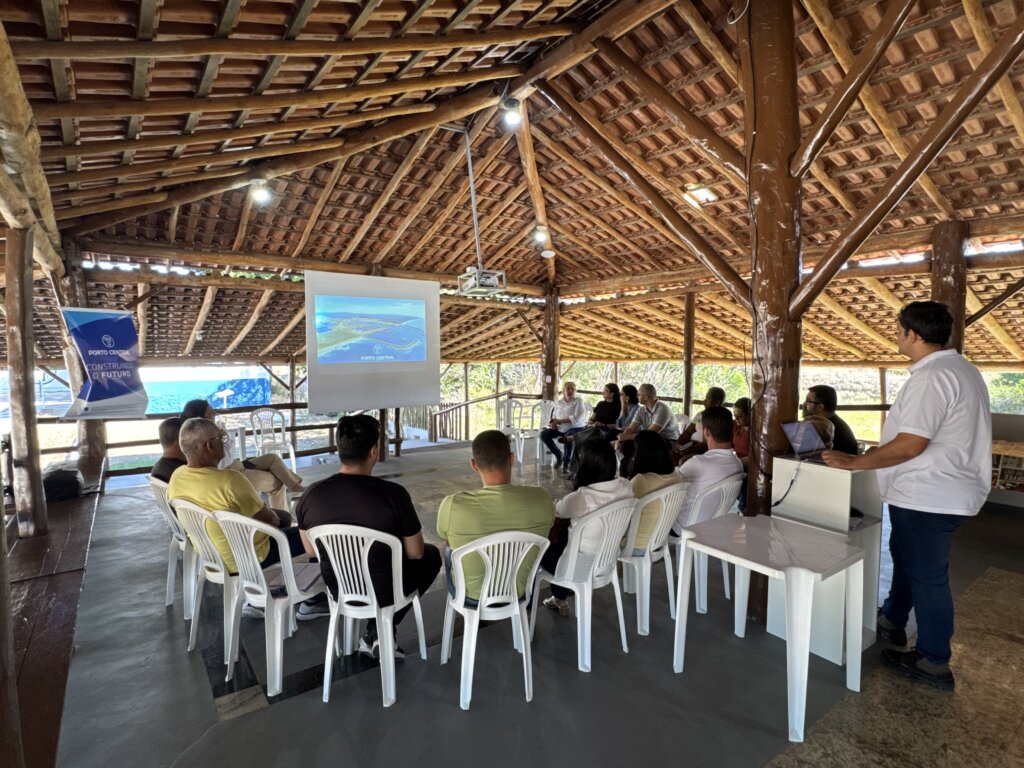
During the meeting, municipal representatives shared information, experiences and perspectives on tourism in their respective territories. Their contributions helped identify aspects that may be incorporated into the indicators used to monitor the sector and broaden the understanding of its characteristics and potential from a regional perspective.
The meeting also included the participation of Sebrae, which supported the discussions and the organization of the contributions presented by the group.
The development of these indicators will make it possible to monitor tourism dynamics over time in the municipalities within Porto Central’s area of influence and to produce information that supports a broader understanding of the territory’s socioeconomic changes.
By promoting this process in a participatory manner, CAMPOC strengthens dialogue between Porto Central and different local stakeholders while valuing the knowledge of those who experience the municipalities’ realities on a daily basis.